Best custom soccer goalkeeper jerseys for club teams 2026
Best overall: a contrast-first match jersey. Best for fixture clashes: an alternate-colour jersey. Best for rotating keepers: a club-owned jersey with neutral personalisation. This 2026 guide ranks design briefs for...
Best overall: a contrast-first match jersey. Best for fixture clashes: an alternate-colour jersey. Best for rotating keepers: a club-owned jersey with neutral personalisation. This 2026 guide ranks design briefs for the best custom soccer goalkeeper jerseys for club teams in Australia, so you can choose by match requirements, fit and club use rather than decoration.
TL;DR
The best custom soccer goalkeeper jerseys for club teams prioritise colour distinction, unrestricted movement and readable numbers.
Choose a contrast-first match jersey as your default custom goalkeeper jersey brief.
Choose an alternate-colour jersey when your primary keeper colour clashes with other match participants.
FE Custom serves Australian shoppers online; confirm your soccer apparel requirements before approving an order.
Why this matters
A goalkeeper jersey has a different job from an outfield shirt. Under IFAB Law 4, each goalkeeper must wear colours that distinguish them from the other players and match officials. Your favourite club colour is not enough on its own.
Start your 2026 brief with match use, then add club identity. The custom goalkeeper jerseys for soccer club teams guide provides a related starting point for organising your keeper-specific requirements.
FE Custom suits Australian clubs planning custom soccer apparel through an online store. Treat the goalkeeper brief separately from your outfield order: confirm the garment, colour treatment, sizing and personalisation before approval.
The ranked options below are buying configurations, not named products or performance-tested models. Each serves a different club need. Confirm that your chosen configuration is supported by the actual garment before you commit.
What makes the best custom goalkeeper jersey?
Use these criteria before looking at artwork. A strong design that fails your keeper's fit or match-colour requirements is the wrong choice.
Colour distinction: Compare the goalkeeper design with both teams and the match officials, not just your own outfield kit.
Movement: Check reaching, crouching and throwing with the keeper's intended match layers underneath.
Readable identification: Keep the number clear of busy artwork and check your competition's numbering requirements.
Player-specific fit: Use the garment's own size chart rather than transferring a size from another shirt.
Club continuity: Retain approved club artwork and record the final design specification for future enquiries.
Order accuracy: Make the colour, size, name and number requirements explicit for every jersey.
For your 2026 shortlist, colour distinction and movement should decide whether an option stays in contention. Club branding should decide how the suitable options look, not rescue an unsuitable one.
Goalkeeper jersey options at a glance
Rank and design brief
Best for
Standout feature
Key limitation
Contrast-first match jersey
A regular starting goalkeeper
Colour distinction leads the design
One colour does not resolve every possible clash
Alternate-colour jersey
Clubs facing fixture colour clashes
A separate match-colour option
Needs its own colour and artwork approval
Club-owned shared jersey
Squads that rotate goalkeepers
Neutral personalisation supports shared use
One garment size will not suit every player
Keeper-specific fit brief
Players whose existing shirts restrict movement
Fit assessed through goalkeeper movements
Requires individual measurements and garment checks
Training-specific jersey brief
Clubs separating training and match apparel
A distinct purpose for training use
Does not replace match-day colour checks
1. Contrast-first: best goalkeeper jersey for a regular starter
A contrast-first match jersey starts with a clearly distinguishable main colour, then adds the club crest, approved sponsor artwork and player identification. It is the default brief for a regular goalkeeper because it addresses the shirt's match-day role before its styling.
Compare the main body colour with your club's home and away shirts. Then consider opponents and officials. Small contrasting trims do not establish that the whole goalkeeper kit is sufficiently distinct.
Contrast-first jersey pros:
Makes match-colour requirements the first design decision.
Gives the number a clear area in the artwork brief.
Keeps club identity without copying the outfield colour scheme.
Provides a defined starting point for an alternate design.
Contrast-first jersey cons:
A single colourway is not a solution to every fixture clash.
A colour that looks different in a mock-up still needs a match-context check.
Decorative patterns can compete with the number if not controlled.
Best for: A club's regular starting goalkeeper whose match shirt needs a clear, consistent identity.
Ask the keeper to review fit separately from artwork. The person approving the crest is not automatically the person who can judge comfort when reaching overhead.
Verdict: Buy only after the match-colour check and garment fit are confirmed. Make this your default 2026 brief, not an automatic approval.
2. Alternate colour: best goalkeeper jersey for fixture clashes
An alternate-colour jersey gives your club another goalkeeper design to assess when the primary colour conflicts with a match participant. Keep the club identity consistent, but choose a genuinely different main colour rather than a minor variation of the first.
Think of the alternate as a separate match option, not merely a second copy. Changing a sleeve detail while retaining the same dominant colour does not address the purpose of the brief.
Alternate-colour jersey pros:
Adds another option for resolving a goalkeeper colour clash.
Allows the same crest and sponsor layout to be retained.
Separates colour decisions from changes to player identification.
Alternate-colour jersey cons:
An alternate colour still needs checking against the specific fixture.
Every colourway needs its own final artwork approval.
Separate files create another opportunity for names or numbers to differ accidentally.
Best for: Clubs whose primary goalkeeper colour creates a known fixture conflict.
If you plan 2 colourways, compare them side by side with the outfield designs. Keep the number layout consistent unless your competition requirements or artwork need a change. Record which approved file belongs to each colourway.
Verdict: Buy when the alternate resolves an identified colour problem; hold if it merely repeats the primary design.
3. Club-owned: best goalkeeper jersey for rotating keepers
A club-owned jersey uses shared identification rather than tying the shirt to one player's surname. It suits a squad that rotates the goalkeeper role, provided the garment fit works for the players expected to wear it.
Neutral personalisation is an administrative choice, not a special garment feature. Ask whether a number-only or club-focused layout meets your competition rules, and confirm that the chosen customisation is supported before ordering.
Club-owned jersey pros:
Avoids assigning a shared shirt to one player's name.
Keeps the design centred on the club.
Makes the intended ownership clear in your order records.
Club-owned jersey cons:
A shared shirt cannot provide an individual fit for every goalkeeper.
Number allocation still needs to follow competition requirements.
The club needs a clear arrangement for storage and washing.
Best for: Squads where more than one player regularly takes the goalkeeper position.
Collect measurements from the actual rotation group. Do not choose a larger size solely because it sounds more shareable; extra fabric is not proof of a suitable fit. If the group has different fit needs, assess separate sizes rather than forcing everyone into the same garment.
Verdict: Buy for a defined rotation group after checking each intended wearer's fit; skip a one-size assumption.
4. Keeper-specific fit: best jersey brief for movement concerns
A keeper-specific fit brief prioritises the player's movement and layering requirements before finalising the design. It is the right route when an existing shirt pulls during overhead reaches, feels tight across the shoulders or interferes with the intended underlayer.
This is not a recommendation to order a larger size automatically. Assess the actual garment chart and the keeper's measurements, then check how the chosen fit behaves during goalkeeper movements.
Keeper-specific fit pros:
Uses the goalkeeper's own measurements rather than an outfield assumption.
Accounts for the intended match layers during assessment.
Separates a genuine fit issue from an artwork preference.
Keeper-specific fit cons:
A size label alone does not establish movement comfort.
Sleeve coverage is not evidence of padding or impact protection.
Individual fit decisions require more coordination than collecting shirt sizes alone.
Best for: Goalkeepers who have identified a movement or layering problem in their current apparel.
For FE Custom soccer apparel enquiries, state the movement concern directly. Ask about the actual cut, sleeve options, fabric and size-chart method rather than assuming that a general soccer jersey includes goalkeeper-specific construction.
Record 3 measurements in centimetres where the garment chart calls for them: chest, body length and sleeve length. Follow the chart's method; a body circumference and a flat garment width are different measurements.
Verdict: Hold until the garment specification and keeper's fit requirements agree. Do not approve artwork as a substitute for confirming fit.
5. Training-specific: best goalkeeper jersey brief for club sessions
A training-specific jersey brief separates session apparel from the match shirt. Define who wears it, how it identifies the goalkeeper during drills and whether personalisation needs to differ from the competition design.
The distinction is purpose, not a claim of extra durability. Confirm the garment's actual fabric and care instructions; a shirt described for training is not automatically more resistant to abrasion.
Training-specific jersey pros:
Gives training apparel a clear role in the club's kit plan.
Allows a shared or player-specific identification brief.
Keeps training design decisions separate from match artwork approval.
Training-specific jersey cons:
A training designation does not establish protective features.
The jersey still needs an appropriate fit for goalkeeper movements.
Training colours do not automatically satisfy match requirements.
Best for: Clubs that deliberately separate goalkeeper training apparel from competition apparel.
Write the training use into your enquiry. Include the intended wearer, layers and identification needs, but do not add technical claims to the brief unless the garment specification supports them.
Verdict: Buy only for a defined training role; skip treating a training shirt as an unverified match-day replacement.
How the options are ranked
Match suitability comes first, followed by the club's specific use case. That places the contrast-first jersey ahead of alternate, shared, fit-led and training briefs for an undecided club.
The ranking does not claim that one unnamed garment performs better than another. Use it to choose your brief, then assess the actual garment against colour distinction, movement, identification, fit and order accuracy.
Turn your choice into an accurate club order
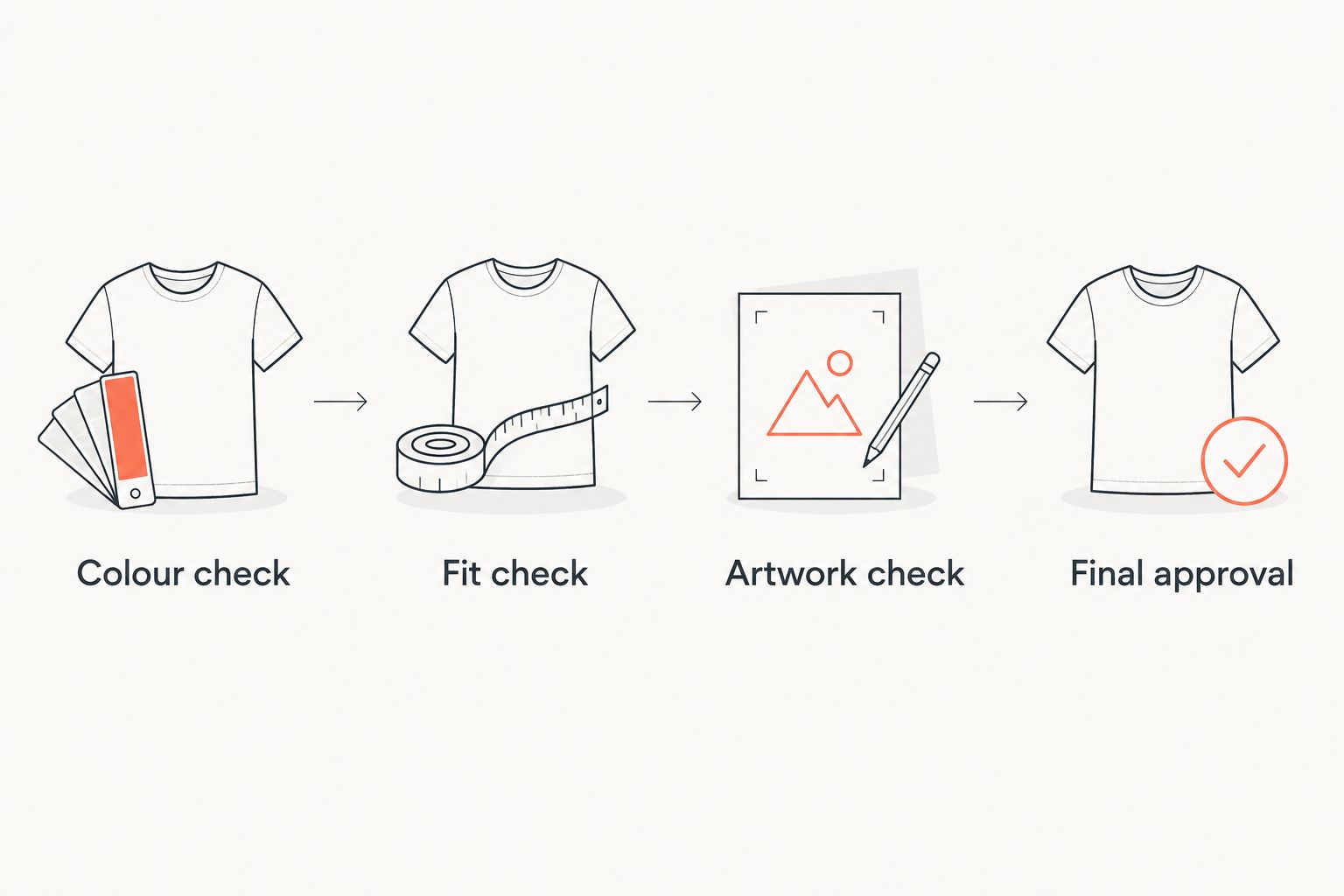
For a 2026 goalkeeper order, separate the decision into these stages. This keeps a correct design from becoming an incorrect size or personalisation request.
Colour check: Compare the proposed design with outfield kits and match requirements.
Fit check: Collect measurements using the chosen garment's size-chart method.
Artwork check: Review crest, sponsor placement, spelling and number readability.
Final approval: Match the approved artwork to the order record and intended wearer.
Approve colour, fit and artwork separately before finalising the order.
Appoint 1 final approver for the club order. Other people can check their areas, but one person should confirm that the final size list, artwork and personalisation instructions agree.
Keep a dated copy of the approval record. Label the design with its season, such as 2026, and record changes explicitly rather than relying on a message saying that everything looks right.
When enquiring with FE Custom, describe the required result without assuming a production method, minimum quantity or delivery commitment. Obtain those details for your actual order before setting the club's approval deadline.
Which goalkeeper jersey brief should you choose?
Choose the contrast-first match jersey unless your club has a more specific problem to solve. It puts the goalkeeper's match role first and leaves room for club identity without allowing decoration to control the decision.
Choose the alternate-colour brief for an identified clash, the club-owned brief for rotating keepers, the fit-led brief for movement concerns and the training brief for session-only use. A club can use more than one brief, but each should have a clear purpose.
For FE Custom soccer apparel planning, the next move is to confirm the garment against that brief. Do not infer padding, sleeve construction or a particular printing method from a design image.
FAQ
What's the best custom soccer goalkeeper jersey for an Australian club team?
A contrast-first match jersey is the default design brief for an Australian club team. Confirm that its colours distinguish the goalkeeper from other players and officials, then assess the actual garment's fit and identification layout.
Does a goalkeeper jersey have to be a different colour from the team?
Yes. IFAB Law 4 requires each goalkeeper to wear colours that distinguish them from the other players and match officials, so assess the complete match context rather than only your own team's shirt.
Should our club choose one goalkeeper colour or an alternate as well?
Choose an alternate when it addresses an identified clash with the primary goalkeeper colour. Assess both designs against your club's outfield kits and the relevant fixture requirements; an alternate is not automatic clearance for every match.
Are long sleeves better than short sleeves for a goalkeeper?
Neither sleeve length is automatically better for every goalkeeper. Choose using the player's movement, layering and coverage preferences, and do not treat long sleeves as evidence of padding or protection.
Can several goalkeepers share a custom jersey?
Several goalkeepers can share a club-owned jersey if its fit and identification suit the intended players and competition requirements. Check each wearer's measurements rather than assuming one size works for the whole rotation group.
What should we confirm before ordering custom goalkeeper jerseys online?
Confirm the garment specification, size-chart method, colour treatment and supported personalisation before approving an online order. Then check the final artwork against the size list, names, numbers and club approval record.
Should a goalkeeper use the same size as their outfield jersey?
Do not transfer an outfield size without checking the goalkeeper garment's chart. Compare measurements using the stated method and assess the intended layers and goalkeeper movements before selecting the size.
One last thing
An alternate jersey can repeat the same problem as the primary shirt if both have a similar dominant colour. Compare the pair as match-colour options, not just as attractive designs.
Before approving your 2026 artwork, place the primary keeper design, alternate keeper design and outfield designs together for one final check. That is a more useful approval step than reviewing each shirt in isolation.